


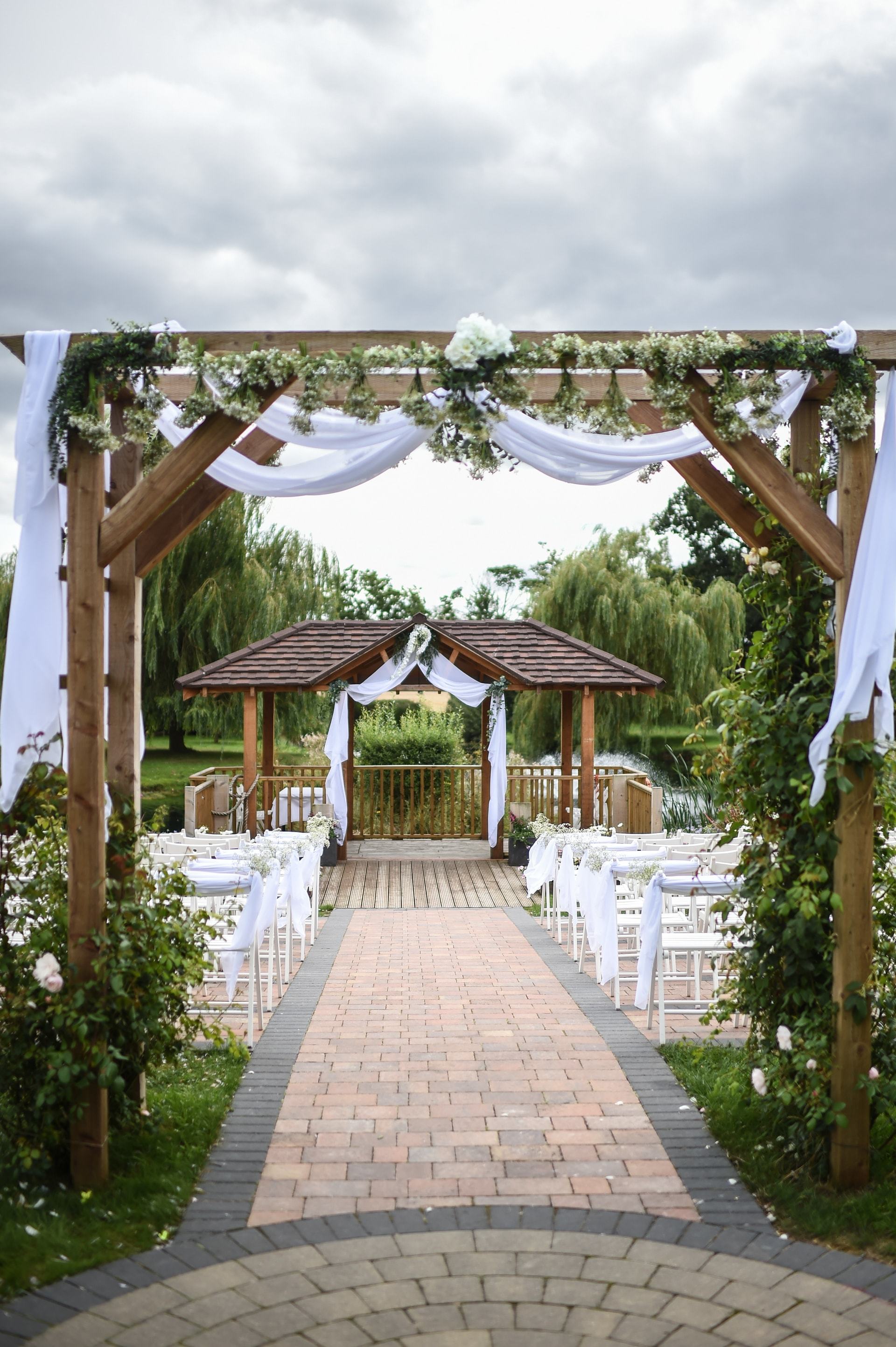

The Team
Wootton Park is a family business run by the McCall clan, left to right: Peter, Melanie, IanRoy, Mark, Jo and Alfie the dog.
Location
On the Alcester Road, on the outskirts of the Saxon village of Wootton Wawen, just 7 miles from Stratford upon Avon. The village gets its name from the Saxon lord ‘Wagen’. The Saxon Sanctuary Church located in the middle of the village is one of the oldest Christian sites in the Midlands and parts of the tower date from the 8th century.
Farm Diversification
The Great Barn, was the first part of the Business Centre to be opened and it occupies the site of the former milking parlour.
This has been complemented by office facilities in the stables and former cow barns. Great care has been taken in the conversion to provide the best working environment while retaining the original character features such as wooden beams and exposed brickwork.
The History
The first generation of McCalls moved to Wootton Park when Henry ‘Great Grandpa’ McCall bought the farm in August 1945, having been evacuated from his Mosley house after unexploded bombs landed in the garden. Henry McCall worked in the tool machining industry and ran the farm from a “country gentleman’s” perspective. He employed a farm agent and four labourers, who worked the farm and lived in the farm cottages. At that stage the farm was mixed, with much arable land, some dairy and sheep. Henry’s son, Roy, did not take to farming either, and followed his father into the machine tooling world. In 1956 Roy moved back to the farm from Newcastle with his wife, Mayou and children Anne-Marie, Rosie and Ian-Roy; Katrine was born some years later.
It is only in this, the third generation, that Wootton Park is being farmed by one of the McCalls as a sole living. Ian-Roy McCall took over the running of the farm and switched the focus to dairy with the purchase of 50 cows in the mid 1970s, gradually building the herd to about 120 cows by the mid 1990s. Although his eldest two sons went to agricultural college neither they, nor the youngest son, decided to become farmers. It was as a result of this, and with a great deal of lucky foresight, that the herd was sold in October 1995, narrowly missing the curse of both BSE and Foot and Mouth. Although some of the land is still farmed much of it is now wooded, providing habitats for deer, game birds and many rabbits and hares.
The development program to convert the original Victorian brick farm buildings into offices is complete giving new life to the old buildings. The building which used to house the dairy & milking parlour is now known as the Great Barn. This forms the impressive frontage of the Business Centre. Refurbishment of Red Poll Barn, a former cow shed, was completed early in 2007 and smaller offices make up The Courtyard development which were former stables and cow sheds!

The Farm
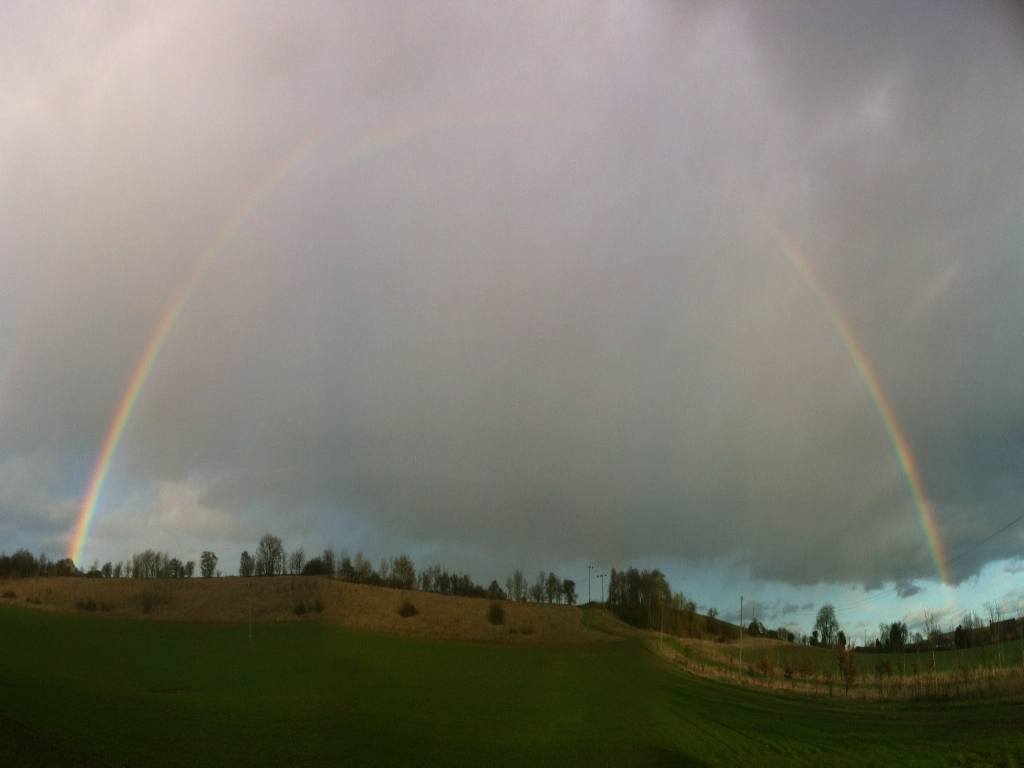
The farm is just over 360 acres of arable, permanent pasture and woodland. The Farmhouse and Business Centre are located roughly in the middle of the land which makes for a very peaceful environment.
The main crops currently grown are Wheat, Oats and Oil Seed Rape on a rotation system.
The main farmhouse has been expanded and extended with each generation of occupants. One of the rooms, formerly affectionately known as the Planetarium, has an unusual and rare half-barrel shaped ceiling. This room is now the ‘Venice’ bridal room. It is thought that this was designed as a chapel and was added to the original building about 300 years ago. There was also extensive work undertaken in the early 19th century